Pressure Washing vs Soft Washing: Which Do You Need?
Choosing between pressure washing and soft washing depends on the surface, its condition and the type of contamination. For Townsville properties, tropical humidity, wet-season rainfall and coastal exposure make regular exterior cleaning worthwhile. However, using the wrong method can damage paint, roofing, timber or paving joints.
Pressure washing generally suits sound, durable hard surfaces, while soft washing is often better for delicate materials and biological growth. Many properties benefit from a combination of both methods.
What Is Pressure Washing?
Pressure washing uses a pressurised stream of water to remove dirt, mud and surface buildup. Professionals adjust the pressure, nozzle, working distance and cleaning products to suit the material. More pressure does not necessarily produce a better result.
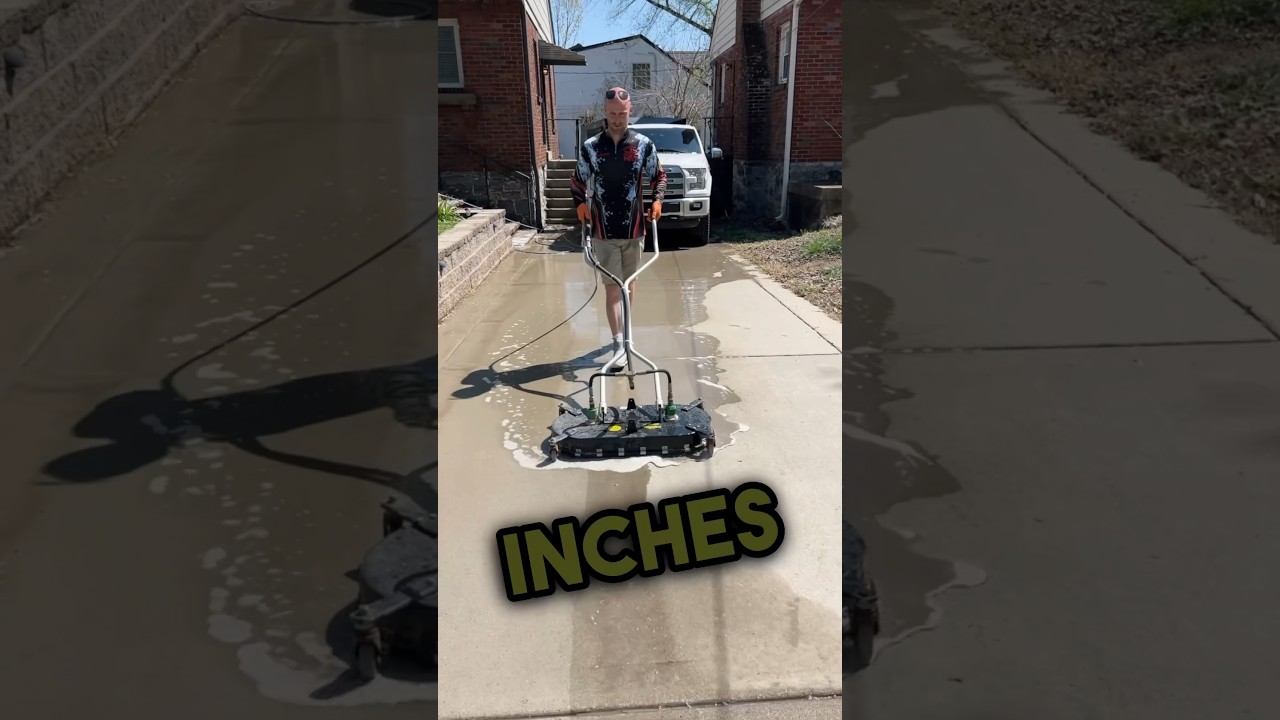
It is commonly suitable for sound concrete driveways, paths and some masonry surfaces. Oil stains, rust and tyre marks may require specialised treatment rather than pressure alone, and complete stain removal is not always possible.
When Pressure Washing Can Cause Damage
Excessive pressure can etch concrete, strip coatings, splinter timber and dislodge mortar or paving sand. It can also force water behind cladding or through vulnerable seals. Painted, weathered, cracked or previously repaired surfaces need careful assessment and a test patch before cleaning.
What Is Soft Washing?
Soft washing combines low-pressure application with cleaning solutions selected for the surface and contamination. The solution loosens grime and treats organic growth, followed by rinsing where required. Cleaning relies more on the product and its contact time than on force.
This approach is often appropriate for painted exteriors, suitable cladding, fences and certain roofing materials. However, low pressure does not make every cleaning solution safe for every surface. Product compatibility, dilution, weather conditions and protection of surrounding areas remain essential.
Which Method Suits Each Surface?
- Concrete driveways and paths: Controlled pressure washing often works well on sound, adequately cured concrete. Decorative finishes and sealers require extra care.
- House walls and painted surfaces: Soft washing is commonly preferred, subject to the condition of the paint, cladding and seals.
- Roofs: Follow the roofing manufacturer’s cleaning instructions. Avoid aggressive washing that could damage coatings, tiles or waterproofing.
- Timber decks: Use a timber-appropriate cleaner and gentle washing technique. High pressure can raise the grain and leave permanent marks.
- Pavers: Controlled pressure may be suitable, but joints can lose sand and may need replenishment after cleaning.
Suspected asbestos-containing roofing or cladding must not be pressure washed. Arrange an assessment and seek advice from a qualified asbestos professional before disturbing the material.
Townsville Conditions That Affect Your Choice
Warm, humid conditions can encourage algae, mould and mildew on shaded walls, paths and fences. Where organic growth is the main problem, an appropriate treatment can provide better results than simply blasting away the visible layer. Neither method permanently prevents regrowth.

Coastal properties can also accumulate salt deposits. Suitable fresh-water rinsing helps remove surface salt, but cleaning does not repair existing corrosion. Check exposed fixings, metal surfaces and protective coatings during maintenance.
Plan cleaning around weather conditions. Heavy rain can dilute treatments, strong wind can carry spray onto neighbouring areas, and intense heat can cause products to dry too quickly.
Protect Plants, Waterways and Rainwater Tanks
Before work begins, identify garden beds, https://pressurewashingtownsville.com.au/tennis-court-cleaning/ stormwater drains, electrical fittings and rainwater tank connections. Cleaning chemicals, sediment and contaminated wash water should not enter stormwater drains or waterways. Ask your contractor how runoff will be contained and managed in accordance with applicable local requirements.
If roof gutters feed a rainwater tank, isolate the collection system before treatment and follow product-specific guidance before reconnecting it. Plants may need pre-wetting, shielding and thorough rinsing, depending on the cleaning solution used.
How to Choose an Exterior Cleaning Service
Ask a Townsville exterior cleaning provider to inspect the surfaces rather than quote solely on area. A useful quote identifies the proposed method, any pretreatment, protection measures and limitations such as permanent staining or deteriorated coatings. Confirm public liability insurance and suitable safety arrangements for elevated work.
The best choice is the gentlest effective method for your property. Request a surface-specific assessment so your driveway, walls, roof and outdoor areas receive the right treatment without unnecessary damage.
Pressure Washing Townsville
(07) 4801 0339